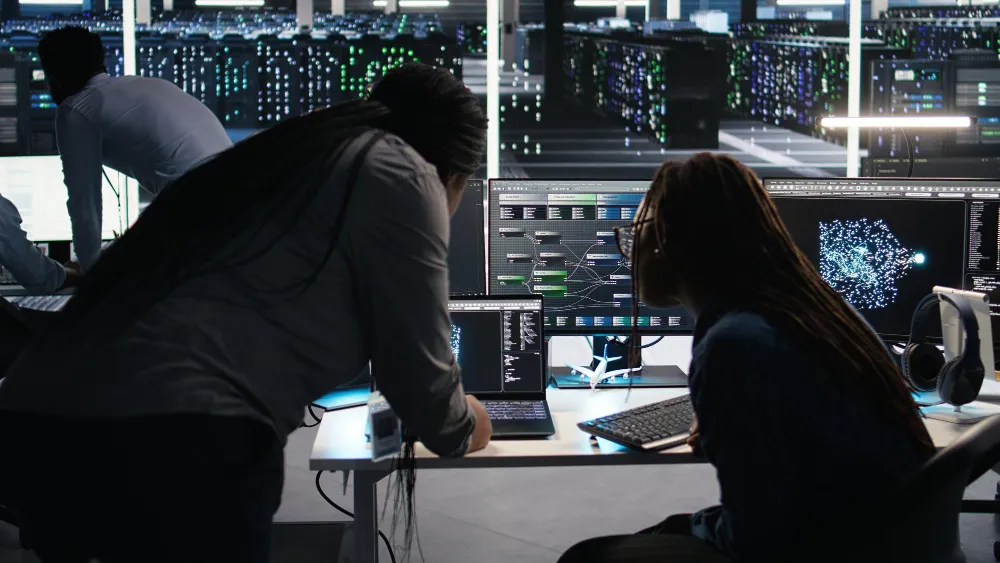
An engineer opens a ticket to fix a sync error between the core banking system and a new lending platform. Three hours later, they're still tracing logic through legacy code nobody documented, written by someone who left the company two years ago. Nobody can say for sure what breaks if that logic gets touched, so the fix gets built around it instead. The workaround ships, but the debt stays.
This happens every week inside large enterprises, and it rarely gets flagged as a crisis, since the legacy system still technically works. That's also why many organizations delay modernization; they are not sure if they can modernize without interrupting the critical business operations those systems still support.
Why Legacy Systems Soared in Complexity
Most core systems in large enterprises were built decades ago, without today's integration needs in mind. As business needs changed, the patches kept coming, making the underlying system rigid and complex:
- A workaround gets written under deadline pressure, with no record of why it exists.
- The engineer who wrote it moves teams or leaves the company entirely.
- The next engineer inherits code they don't fully understand and works around it rather than through it.
- Over the years, this repeats until the codebase becomes something even the team maintaining it can't explain, start to finish.
A change that should take two weeks now takes a full quarter of discovery before anyone can touch it safely. New hires spend months just learning where things live.
Why Modernization Isn't Optional Anymore
For years, modernization sat on a roadmap somewhere past year three, always agreed to be important and never quite urgent enough to fund. That's no longer true, and the pressure is coming from multiple directions at once.
- Competitive speed. Cloud-native competitors don't carry this weight, so they ship in weeks what takes legacy-bound teams a quarter.
- Regulatory pressure. Auditors want traceability that most legacy systems simply can't produce without a lot of manual effort.
- Customer expectation. Real-time is the baseline now, and a batch-processing core can't fake that.
- A shrinking talent pool. Fewer engineers know COBOL now, and fewer still can navigate an old job scheduler without a manual “open in another tab”.
Where Traditional Modernization Approaches Fall Short
Most modernization efforts don't fail because of a bad technology choice; they fail because of how the project is run.
- Rip-and-replace might look clean on paper. But in practice, stakeholders lose patience long before the rebuild finishes. By launch day, the requirements have already changed. More importantly, large-scale replacement projects often require extended testing windows, parallel environments, or planned downtime that can disrupt business-critical operations. For enterprises running 24/7 services, that level of operational risk is difficult to justify.
- Lift-and-shift solves a different problem; moving an old application to the cloud without re-architecting it just means paying cloud prices for the same inefficiency it had on-premises.
- Manual code analysis is slow. A single core system can span millions of lines of code across several languages, with business logic that was never documented. Mapping it all manually takes months, and gaps still slip through.
The Case for AI-Led Legacy Modernization
AI-led modernization shortens the time-to-value from months to days while providing engineers with a much fuller picture of the legacy system at hand. A team that used to spend a quarter just figuring out what a system does can now spend that time deciding what to build next. Here’s what artificial intelligence brings:
- Automated code scanning: AI scans the full codebase and highlights dead or duplicated logic in seconds.
- Code translation: Legacy languages convert into modern equivalents while the underlying business logic stays intact.
- Automated regression testing: Automated testing checks that modernized components behave the same way the legacy ones did, catching regressions before customers ever see them.
- Incremental rollout: AI enables enterprises to modernize one system, or one function, at a time, instead of taking a high-risk Big Bang approach.This phased approach allows core operations to continue uninterrupted while modernized components are validated and introduced gradually.
- Data profiling: AI tools flag data quality issues that have sat inside legacy systems for years, early, before they carry over into the new architecture
How Wissen Technology Approaches This
Wissen Technology doesn't treat modernization as a project that wraps up with a final deployment and a handshake. We look at it as an ongoing engineering practice. Every engagement starts with mapping the estate, understanding dependencies, and being honest about where the real business risk sits before anyone changes a single line of code.
Our teams pair AI-assisted analysis with architectural judgment. Depending on the system, this might mean breaking a monolith into microservices, migrating to cloud-native infrastructure, or modernizing using serverless, microservices, and low-code solutions, so operations run without interruption. Our phased approach allows critical business processes to continue running while modernization happens in parallel, minimizing operational disruption and reducing implementation risk.
Modernization doesn't have to mean choosing between innovation and stability. With the right AI-led approach, enterprises can reduce technical debt, accelerate transformation, and keep the systems that power day-to-day business running throughout the journey.
Contact Wissen today to build an AI-led legacy modernization plan around your actual systems.
FAQs
What is AI-led legacy modernization?
AI-led modernization is the use of AI tools for code scanning, translation, and automated testing, to speed up a legacy modernization effort that would otherwise take a lot longer when done manually.
Do enterprises need to replace their core systems to modernize?
Not necessarily. Incremental, system-by-system modernization usually gets there with less disruption than a full core replacement.
Why is legacy modernization more urgent now?
A few things are converging at once: competitive pressure from cloud-native players, tighter regulatory expectations, and a pool of legacy-skilled engineers that keeps shrinking every year.